

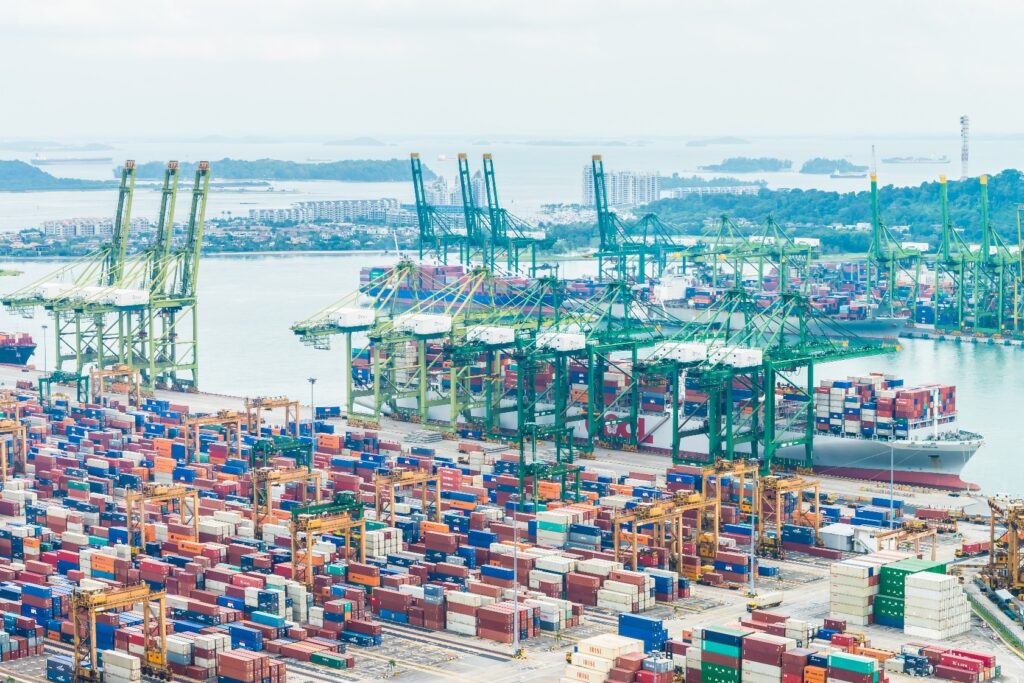
Your container just landed. The ship is empty. But your goods are still stuck between the dock and your warehouse. If you have ever waited anxiously for a shipment to clear, you know this feeling well. Port clearance in Virginia involves more steps than most importers expect, and understanding them can save you time, money, and stress.
Good news first. Clearing customs is not random guesswork. It follows a clear path. Once you understand each step, the whole process feels far less intimidating.
Why Virginia Ports Matter for Importers
Virginia handles a massive amount of international cargo every year. Ships arrive daily from across the globe carrying everything from electronics to furniture. Among ports in Virginia, United States, the Port of Virginia stands out for its size and efficiency.
Businesses choose Virginia for good reason. Deep channels allow large vessels to dock easily. Strong rail and highway connections move goods quickly across the country. This makes Virginia a smart entry point for many importers.
Legal Entry Versus Physical Movement
Here is something many importers miss. Clearing customs and moving your cargo are two separate things. Legal entry means proving your shipment follows U.S. import laws. This involves paperwork, product codes, and value declarations. Physical movement means getting your goods from the port to your business.
Your truck might be ready and waiting. Your warehouse might have space cleared. None of that matters if your paperwork is not approved first. Customs and Border Protection (CBP) must give the green light before anything moves.
What Happens Before Your Ship Even Arrives
Preparation starts long before your cargo touches Virginia soil. Smart importers handle key steps early.
Set Up a Customs Broker
A licensed broker acts on your behalf with CBP. You grant them permission through a Power of Attorney. This lets them file documents and answer questions for you.
Confirm Your Product Codes
Every product needs a Harmonized Tariff Schedule code. This code determines your duty rate. It also decides if extra agencies need to review your shipment. Getting this wrong can lead to overpaying or facing a lengthy audit.
File Your Importer Security Filing
Ocean shipments require an Importer Security Filing, often called the ISF or “10+2” rule. You must submit this at least 24 hours before your cargo loads onto the ship overseas. Missing this deadline can trigger a steep $5,000 penalty.
Secure a Customs Bond
A customs bond guarantees that duties and fees will be paid. Businesses shipping often usually choose a continuous bond. It covers a full year across any port, saving time on repeat paperwork.
The Step-by-Step Clearance Process
Once your ship docks, things move fast. Here is what typically happens.
- Arrival notice: Your carrier alerts your broker that the ship has docked.
- Entry filing: Your broker submits documents requesting release of your goods.
- CBP review: Officers decide if your shipment needs inspection or can move forward.
- Release: If approved, your cargo can leave the port.
- Final paperwork: Within ten business days, your broker files the complete entry summary.
This summary finalizes your duties and fees. Around ten months later, the entry closes for good through a process called liquidation.
Understanding Duties and Fees
Clearing customs costs more than just tariffs. A few extra fees apply to most ocean shipments. The Harbor Maintenance Fee runs at a small percentage of your cargo value. The Merchandise Processing Fee also applies, with a set minimum and maximum charge. These fees fund port operations and inspections nationwide. Working with an experienced partner helps you calculate these correctly. Errors here often lead to overpayment or unexpected penalties later.
Getting Your Goods Released
A “Customs Release” is a big step, but it is not the final one. You also need a “Carrier Release” from your shipping line. This second release happens after freight charges are paid in full. The original Bill of Lading must also be handed over. If your product needs approval from another agency, like the FDA, you may get a “Conditional Release.” This means you can move your goods but cannot sell them yet. Once both releases are complete, your delivery partner can finally bring your cargo home.
Common Reasons for Delays at Virginia Ports
Some shipments sail through without issue. Others get stopped for review. Knowing the common triggers helps you avoid them.
- Mismatched paperwork: If your invoice and packing list do not match exactly, expect a flag.
- Vague product descriptions: Words like “parts” or “samples” invite a closer look.
- Missing origin marks: Every product needs a clear country-of-origin label.
- First-time importer status: New businesses often face extra scrutiny on early shipments.
Avoiding these issues starts with careful, consistent documentation from day one.
Tips to Speed Up Port Clearance in Virginia
A few simple habits make a big difference for smooth port clearance in Virginia. Start by filing your entry paperwork early, sometimes even before your ship arrives. This gives CBP time to review everything in advance.
Keep a compliance folder for every shipment. Federal law requires you to hold these records for at least five years. Staying organized protects you if an audit ever happens. Finally, build extra time into your delivery schedule. Even well-prepared shipments occasionally face random review.
FAQs
How long does customs clearance take at Virginia ports?
Most shipments clear within 24 to 48 hours if paperwork is complete. Inspections or missing documents can extend this to several days or longer.
Do I need a broker to import through Virginia?
You are not legally required to use one, but most businesses do. Brokers understand CBP systems and help avoid costly filing mistakes.
What is the difference between customs release and carrier release?
Customs release means the government approves your shipment. Carrier release means your shipping line confirms fees are paid before goods can leave.
Why do some shipments get inspected while others do not?
Inspections often happen due to paperwork mismatches, vague descriptions, or random selection. New importers may also see closer review at first.
What documents do I need for a Virginia port entry?
You typically need a commercial invoice, packing list, and Bill of Lading. Some products also require permits from agencies like the FDA.
Let Addis Global Trade Services Guide Your Next Shipment
We know firsthand how stressful it feels watching a shipment sit at the dock. The waiting is often harder than the actual paperwork. That is why having the right guide by your side changes everything.
At Addis Global Trade Services, we help importers navigate entry, release, and delivery with confidence at every Virginia port. If you want fewer delays and a smoother path from ship to warehouse, let’s talk about your next shipment today.
