

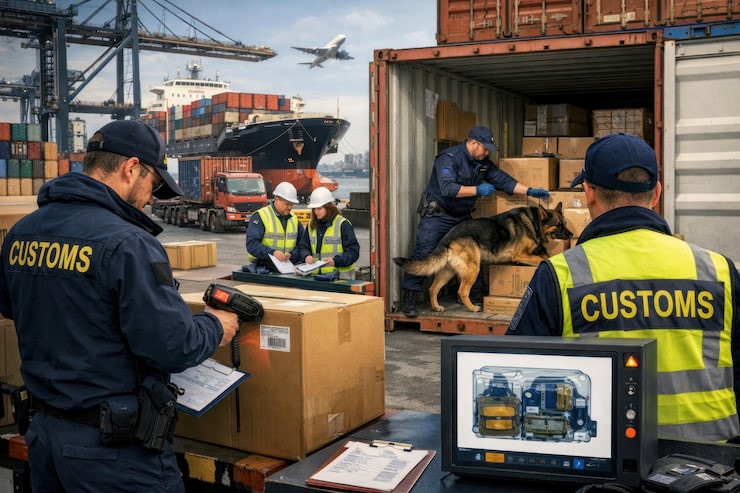
Prepare Your Shipment for U.S. Customs Clearance
Businesses importing products into the United States must meet applicable entry requirements and provide accurate shipment information. Professional customs clearance services USA can help importers coordinate documentation, understand entry procedures, and communicate with the parties involved in moving goods across borders.
For time-sensitive shipments, businesses may also search for express customs clearance USA options. Faster handling may be possible in certain circumstances, but the timeline depends on document readiness, transportation arrangements, government processing, inspections, and any additional requirements. No customs service can guarantee release by a particular time in every situation.
What Is Customs Clearance?
Customs clearance is the process of completing the applicable formalities that allow imported merchandise to proceed through the U.S. customs system. This generally involves providing required entry information to U.S. Customs and Border Protection (CBP), addressing applicable duties and fees, and satisfying other requirements associated with the shipment.
The process varies by commodity, transportation method, country of origin, entry type, and applicable trade rules. Certain goods may also be subject to oversight by other government agencies.
Importers should determine the requirements for their merchandise before shipping and confirm who is responsible for preparing and submitting the necessary information.
Documents Needed for Customs Clearance
The documents and data required depend on the shipment. Common items include:
- Commercial invoice
- Packing list
- Bill of lading or air waybill
- Importer identification information
- Product descriptions and quantities
- Country-of-origin information
- Applicable tariff classifications
- Customs bond details, where required
- Permits or supporting records for regulated goods
The commercial invoice should accurately describe the merchandise and transaction. Product information should be consistent across relevant documents, and discrepancies should be resolved before entry preparation whenever possible.
Why Tariff Classification Matters
The Harmonized Tariff Schedule of the United States provides the classification framework used for imported merchandise. Classification helps determine applicable duty treatment and supports accurate customs entry information.
The correct classification depends on the product’s actual characteristics and the applicable tariff rules. A supplier’s general product description may not provide enough information to determine the correct classification.
Businesses with complex merchandise should seek appropriate classification guidance and retain the supporting product information used in making the determination.
What Does Express Customs Clearance Mean?
The term express customs clearance USA is commonly used by businesses seeking faster handling of import shipments. Depending on the provider and shipment, the service may involve expedited document collection, priority communication, or coordination with a transportation provider.
However, express shipping and customs release are different processes. A fast transportation service does not automatically mean that customs processing will be completed faster.
Shipment readiness can be improved by collecting accurate documents before dispatch, responding promptly to requests, and confirming that any applicable agency requirements have been addressed.
Common Reasons for Customs Delays
Import shipments may encounter delays because of incomplete documents, inconsistent values, inaccurate classifications, missing permits, or questions about the goods.
Additional review may be required when an agency needs more information or selects cargo for examination. Transportation disruptions, unpaid charges, and other operational issues can also affect the overall timeline.
Importers should maintain clear communication with their customs representative and promptly provide requested information.
How a Customs Broker Can Support Importers
A customs broker can assist with customs-related procedures within the scope of its authorization. Support may include coordinating entry information, reviewing documentation, communicating about filing requirements, and helping importers understand the next steps.
The importer remains responsible for providing accurate information and meeting its legal obligations. The scope of service should be agreed upon before a shipment is handled.
Improve Your Import Preparation
Businesses can improve their customs readiness by establishing a document checklist, confirming responsibilities with suppliers, and collecting product information before dispatch.
Addis Global Trade Services offers customs brokerage and import documentation support for businesses managing U.S. imports. Explore the U.S. customs brokerage service and import documentation resources.
For time-sensitive shipments, contact your service provider early to discuss the documents required, the available service scope, and any known constraints. Preparation and communication can help businesses manage customs responsibilities more effectively.
