

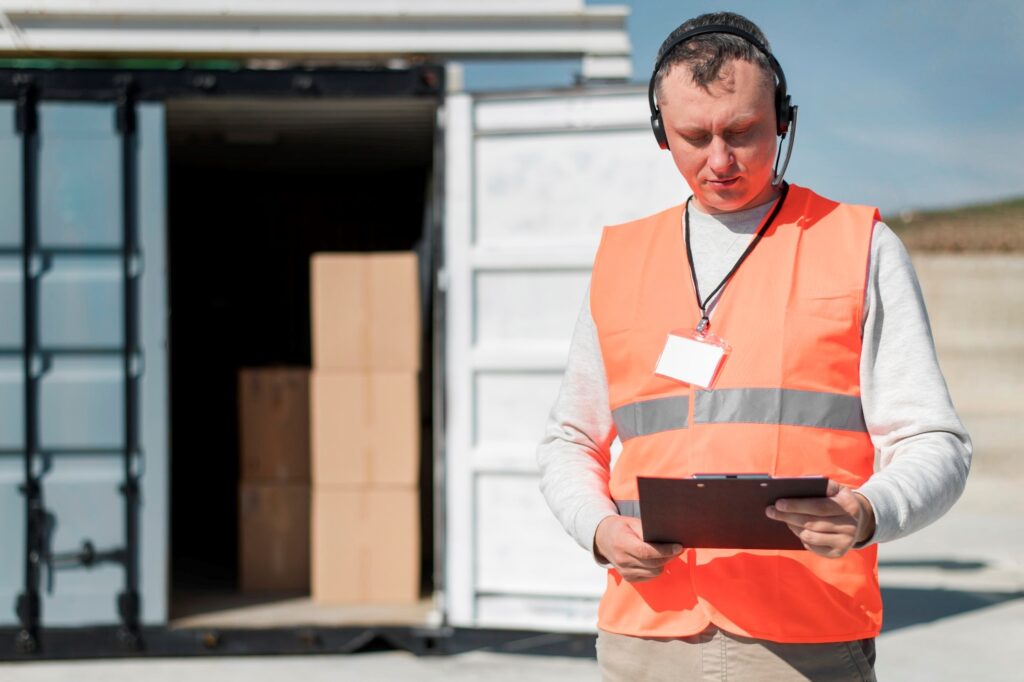
If you import goods into Texas, customs clearance affects your costs and timelines. Choosing the right import customs broker helps shipments move faster and with fewer issues. Many businesses also need support with U.S. import customs clearance in Dallas, TX, especially when rules change or paperwork grows complex.
In this guide, we explain what customs brokers do and why they matter. We also cover how to choose one that fits your business needs.
What Does an Import Customs Broker Do?
An import customs broker helps businesses clear goods through U.S. Customs. They handle forms, filings, and communication with government agencies. Their job is to make sure imports follow the law and enter the country without delay.
For companies shipping into Texas, an import customs broker understands local ports and processes. They know how inspections work and what documents officers expect. This local knowledge often saves time and stress.
A broker also checks duty rates and taxes. They help you avoid paying too much or missing required fees. Over time, this guidance can protect your budget and reputation.
Why Customs Clearance Matters for Dallas Importers?
Dallas is a major trade hub with air, rail, and road connections. Many goods pass through this region each day. That makes U.S. import customs clearance a critical step for importers.
If clearance goes wrong, shipments can sit at the port. Storage fees add up quickly. Delays can also upset customers waiting for products.
A skilled import customs broker in Dallas, TX, reduces these risks. They prepare filings correctly and respond fast to questions. This helps goods move smoothly through customs checks.
Common Challenges Businesses Face Without a Broker
Importing without expert help can feel confusing. Rules change often, and mistakes are easy to make. Even small errors can cause big delays.
Many businesses struggle with paperwork. Forms must match invoices and packing lists exactly. Customs officers check these details closely. Tariff codes are another challenge. Using the wrong code can raise duties or trigger audits. An experienced broker helps avoid these problems.
How an Import Customs Broker Supports Your Business?
A broker acts as your guide through the customs process. They explain what documents you need and when to submit them. This clarity helps teams plan shipments better.
They also track changes in trade rules. When regulations update, brokers adjust filings quickly. This support keeps your imports compliant over time.
For companies new to importing, this help feels reassuring. For experienced importers, it saves valuable time.
Step by Step: How Customs Clearance Works?
Step 1: Preparing Import Documents
Before goods arrive, documents must be ready. These include invoices, packing lists, and shipping details. A broker reviews them for accuracy.
Step 2: Filing With U.S. Customs
The broker submits data to U.S. Customs electronically. This step starts the clearance review. Errors here can cause delays.
Step 3: Customs Review and Inspection
Customs may inspect shipments or request more information. A broker responds quickly to questions. This keeps the process moving.
Step 4: Paying Duties and Release
Once duties are paid, goods are released. With help from an import customs broker in Dallas, TX, this step is often smooth and timely.
What to Look for When Choosing a Customs Broker?
Not all brokers offer the same service. Choosing carefully protects your shipments and budget.
Experience With Your Industry
Ask if the broker handles goods like yours. Different products face different rules. Experience matters here.
Local Knowledge in Dallas
A broker familiar with U.S. import customs clearance understands local procedures. This insight often speeds up clearance.
Clear Communication
Good brokers explain issues in plain language. They answer questions quickly and honestly. This helps teams stay informed.
Proper Licensing
Make sure the broker is licensed by U.S. Customs. This confirms they meet legal standards.
Online Customs Brokerage Services vs Local Support
Many businesses now use online customs services. These platforms offer digital filings and tracking tools. They work well for simple shipments.
However, local support still matters. An import customs broker can respond faster to local issues. They often have direct contacts at nearby ports.
Some companies choose a mix of both. Digital tools handle routine tasks, while local experts manage complex cases.
How the Right Broker Saves Time and Money?
Time matters in logistics. Delays cost money and damage trust. A good broker helps shipments move on schedule.
They also help avoid fines and rework. Correct filings reduce the chance of audits. Over time, this saves resources and stress. Businesses working with Addis Global Trade Services often value this balance of speed and care. Clear guidance makes customs less overwhelming.
Questions to Ask Before Hiring a Broker
Before signing an agreement, ask a few key questions. These help set clear expectations.
Ask about fees and billing methods. Some brokers charge per shipment, others monthly. Knowing this helps with planning. Ask how they handle problems. Delays happen, so response time matters. A reliable broker explains their process clearly.
Why Dallas Businesses Need the Right Fit?
Dallas imports cover many industries, from electronics to consumer goods. Each shipment has unique needs. Choosing the right import customs broker in Dallas, TX, means fewer surprises.
A broker who understands your business goals becomes a long-term partner. They help you grow without adding risk. This support matters as volumes increase.
Getting Started With Confidence
Importing does not have to feel risky or confusing. With the right help, it becomes manageable and predictable. Clear processes build confidence across your team.
Addis Global Trade Services works with businesses of many sizes. Their focus on accuracy and communication helps simplify customs tasks. For many importers, that support makes a real difference.
FAQs
What does a customs broker charge?
Fees vary based on shipment size and complexity. Some charge per entry, while others offer flat rates.
Do I legally need a customs broker?
No, but most businesses choose one. Brokers reduce errors and save time.
How long does customs clearance take in Dallas?
Clearance often takes one to three days. Delays can happen if documents need review.
Can one broker handle all my imports?
Yes, if they have experience with your products and routes. Ask about their coverage.
What happens if customs finds an error?
Customs may request changes or inspections. A broker helps resolve these issues quickly.
Ready to Choose the Right Import Customs Broker in Dallas, TX?
Choosing the right partner affects every shipment you import. A trusted import customs broker helps ensure smooth U.S. import customs clearance in Dallas, TX, from start to finish.
If you want clear guidance, steady support, and fewer delays, now is the time to act. Connect with a reliable customs brokerage partner and move your imports forward with confidence.